
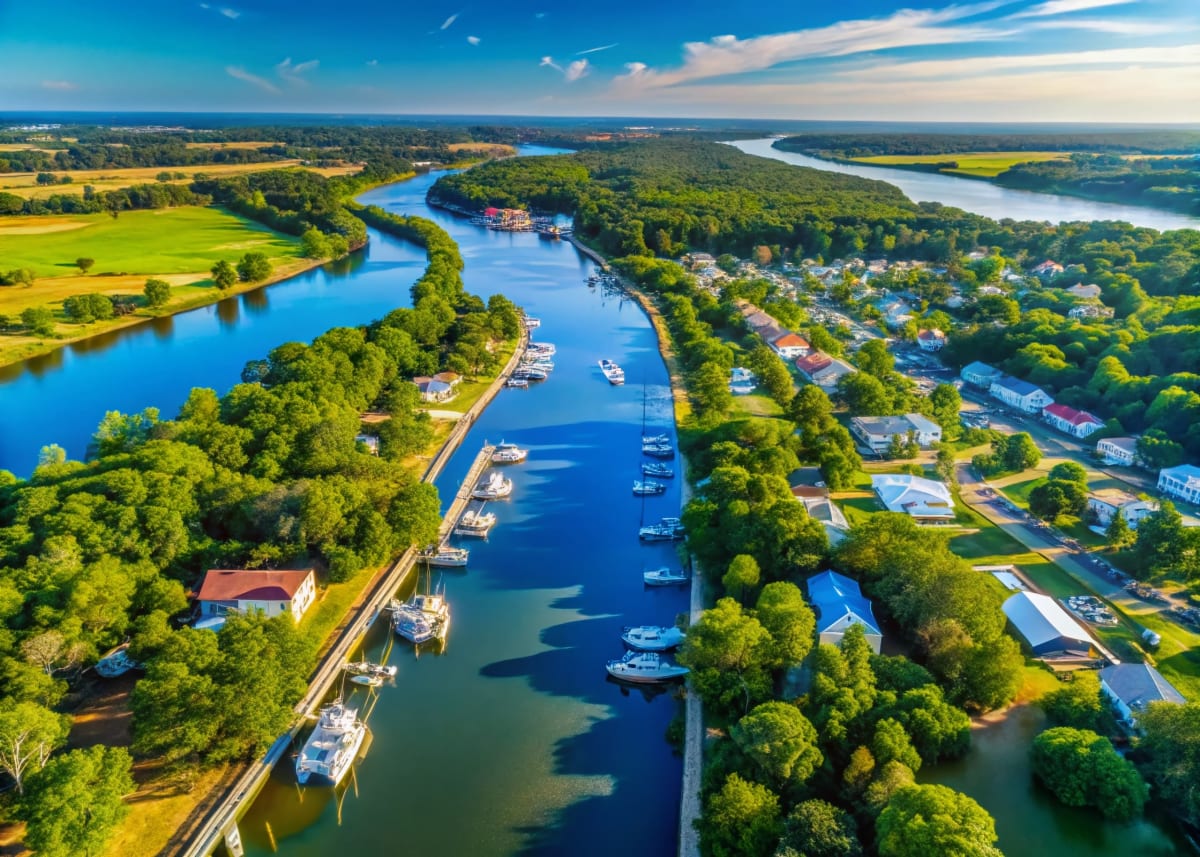
One of the things people love about the Conway area is that you can still find a little more room to spread out. Maybe you want space for the family, a workshop, a big garden, or a place to build the home you've always pictured. Land can be a wonderful buy, but it comes with a different checklist than buying a house in a neighborhood.
Know exactly what you're buying
Start with the boundaries. A current survey shows you where the property lines really are, any easements that cross the land, and whether there's legal road access. Don't assume the fence line or the listing photos tell the whole story.
Check what you're allowed to do with it
Zoning, county rules, and any deed restrictions or HOA covenants decide what you can build and how you can use the land, including things like mobile homes, livestock, outbuildings, and how many homes can go on the parcel. It's much easier to find out before you're under contract.
Water, septic, and utilities
Out in the country, many properties rely on a well and a septic system instead of public water and sewer. If there's no septic yet, you'll want a soil evaluation to make sure the land can support one. Ask where the nearest power line is, too. Bringing utilities to a lot can add real cost.
Look at flood zones and wet areas
Low areas near rivers, creeks, and swamps can be in a flood zone or have wetlands that limit where you can build. Check the flood zone early and get an idea of insurance costs before you fall in love with a piece of land.
Plan the financing early
Loans for raw land often work differently than a standard home mortgage, with different down payments and terms. Talk with a lender before you start shopping so you know what's realistic.
If you're dreaming about a few acres outside town, I'd love to help you find the right piece of land and walk through each of these steps with you.